
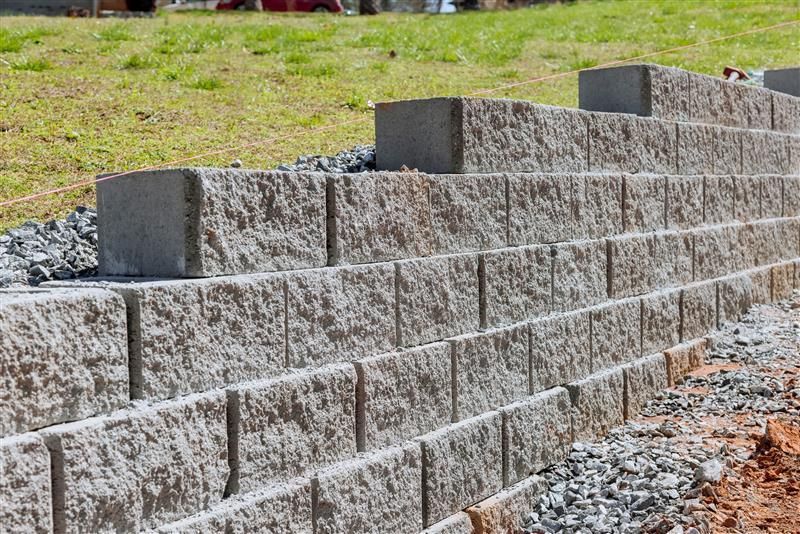
Structural Solutions for Slope and Erosion
Secure Retaining Walls in Hampton
You need retaining walls that stop soil movement and manage water flow in Hampton's coastal environment, where unstable ground and stormwater runoff can threaten your property. Urban Hardscapes constructs each wall using durable block or stone systems engineered with proper drainage channels to protect your yard, foundation, and surrounding structures.
Whether you're dealing with a steep backyard or low-lying areas prone to saturation, retaining walls provide the stability required to create usable outdoor spaces. Each installation complements patios, terraces, and walkways for a complete hardscape system that performs across Hampton's seasonal weather patterns.
Schedule a site evaluation to determine the best retaining wall design for your property in Hampton.
Details That Matter Most
You'll work with a team knowledgeable in stability requirements and long-term reinforcement, ensuring your wall is built to code and designed for the loads it will carry. Site assessment includes soil testing, drainage analysis, and measurements to determine footing depth and wall height.
Urban Hardscapes installs drainage aggregate behind each wall to prevent hydrostatic pressure buildup that can cause cracking or collapse. Retaining walls serve Hampton and surrounding areas with solutions scaled to both small and large projects, from garden bed borders to multi-tier hillside systems.
Your finished wall includes cap stones for a clean top edge, backfill compaction for stability, and weep holes or perforated pipes to manage water movement. These details ensure your wall holds up under the humidity and rainfall patterns typical across the Peninsula.
Homeowners often ask about wall heights, material durability, and how retaining walls interact with other landscape features. These answers cover the technical and practical aspects of retaining wall projects.
Why Locals Choose This Option
Your retaining wall should provide decades of reliable service without requiring frequent repairs. Proper drainage channels and reinforcement techniques ensure long-term stability even during heavy storms. Connect with the team now to discuss your site's specific challenges and explore design options.